
Treatments
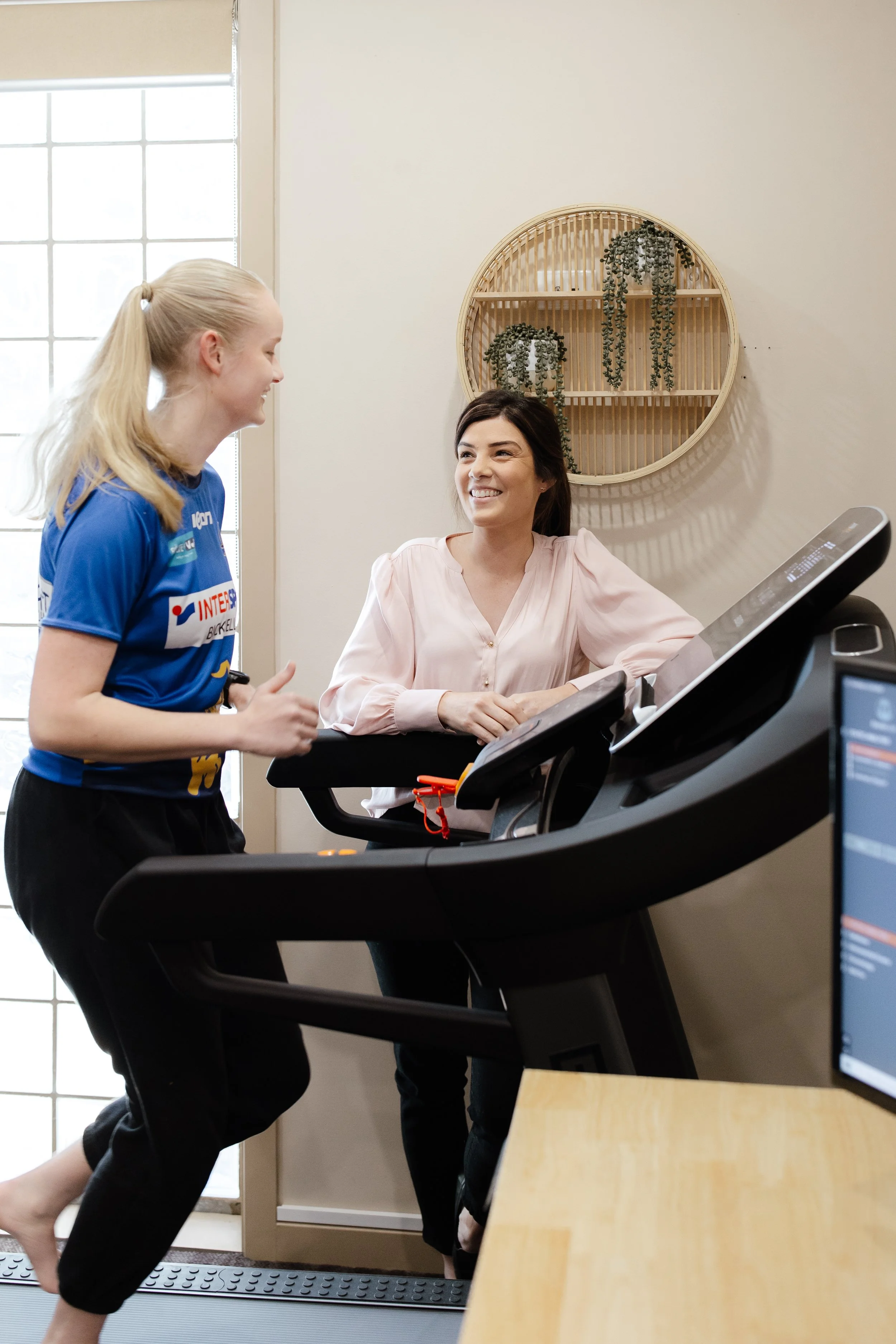
We provide high quality Sports Podiatric care to Echuca Moama and surrounding communities, so you can get appropriate treatment at a time when you need it! We treat all levels of athletes, from juniors at a grass roots level to the recreational and elite levels from a variety of sports. In addition to individual’s with lower limb conditions that contribute to the development of pain.
At Echuca Foot and Ankle Clinic, our aim is to effectively rehabilitate injuries and manage conditions that cause pain within the foot and lower limb of our clients. We utilise various treatment interventions outlined below in order to effectively relieve your foot, ankle and lower limb pain.
Offering the latest in technology, sports injury management and orthotic innervation.
We curate rigorous in-person sessions that translate proven methodologies into practical skills for collaborative teams.
Shockwave Therapy
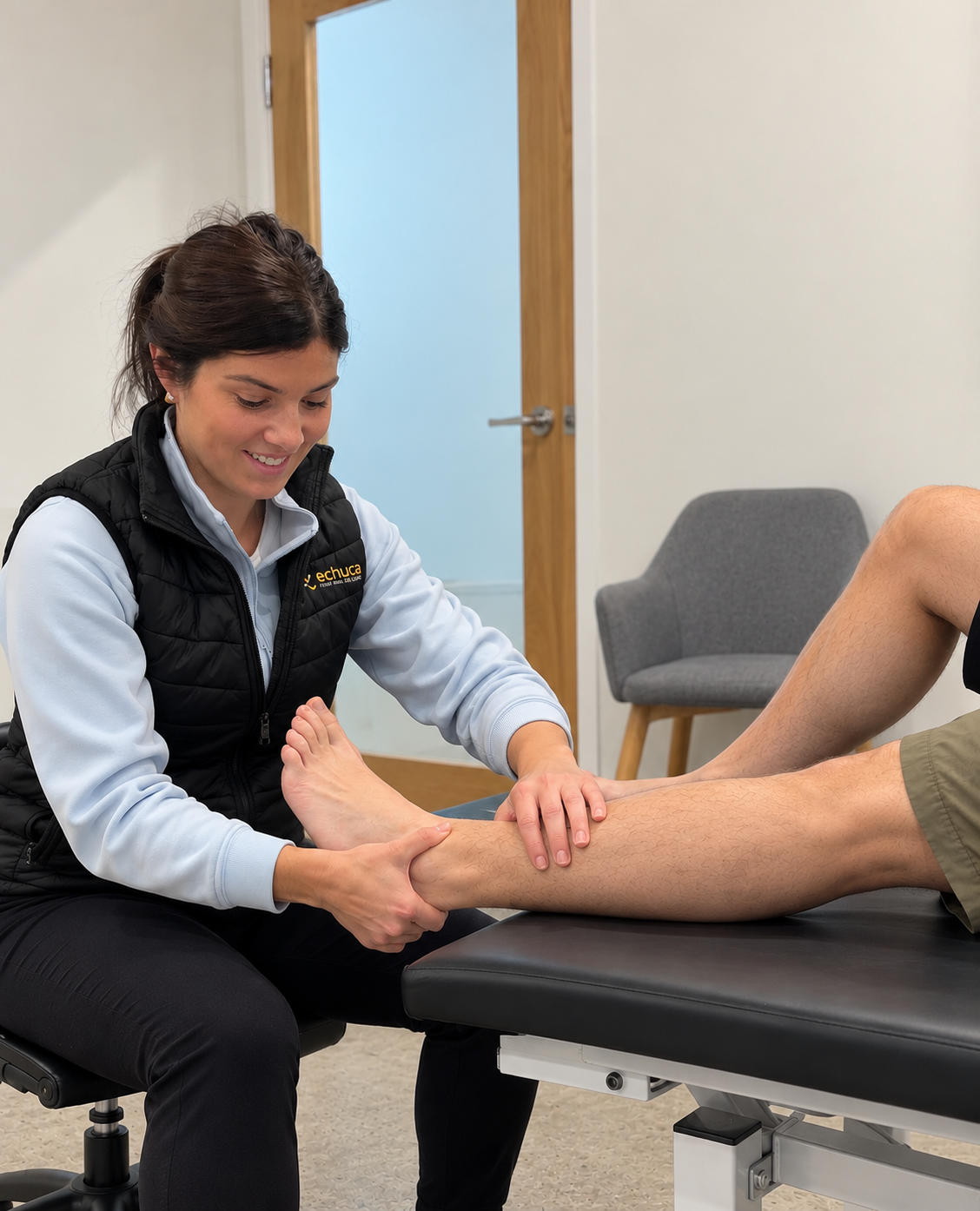
Shockwave therapy (which in fact is high pressured acoustic sound waves) travels through the tissues in a method that is proven to reduce pain and promote tissue regeneration. Shockwave therapy is a safe, non-invasive therapy that target the skin to break down targeted tissue and stimulate tissue repair, in turn activating our natural healing mechanisms.
Find out how Radial Shockwave Therapy can help you reduce your pain by booking an appointment at Echuca Foot and Ankle Clinic.
Orthotic Therapy
After your initial Biomechanical Assessment involving a thorough posture, movement and gait assessment, it may be indicated that Custom Foot Orthoses may be of benefit to you. Foot Orthoses do not just work at the level of the foot, but can also produce an affect on your ankles, knees, hips and lower back. They work by reducing loads placed on injured / weakened tissues via redirecting these forces on to other parts of the lower limb in order to allow the healing process to begin.
At Echuca Foot and Ankle clinic we utilise the latest technology within orthotic manufacturing, ensuring they are made to meet your individual needs. The first step in the manufacturing process requires a 3D weight-bearing scan of your foot, where we then utilise a CAD program and design your orthotics within our consulting rooms. A small Melbourne based Orthotic manufacturer will then 3D mill the orthotic. The finishing touches are applied to your orthotics within our own in-house lab here in Echuca.
Biomechanical and Gait Assessment
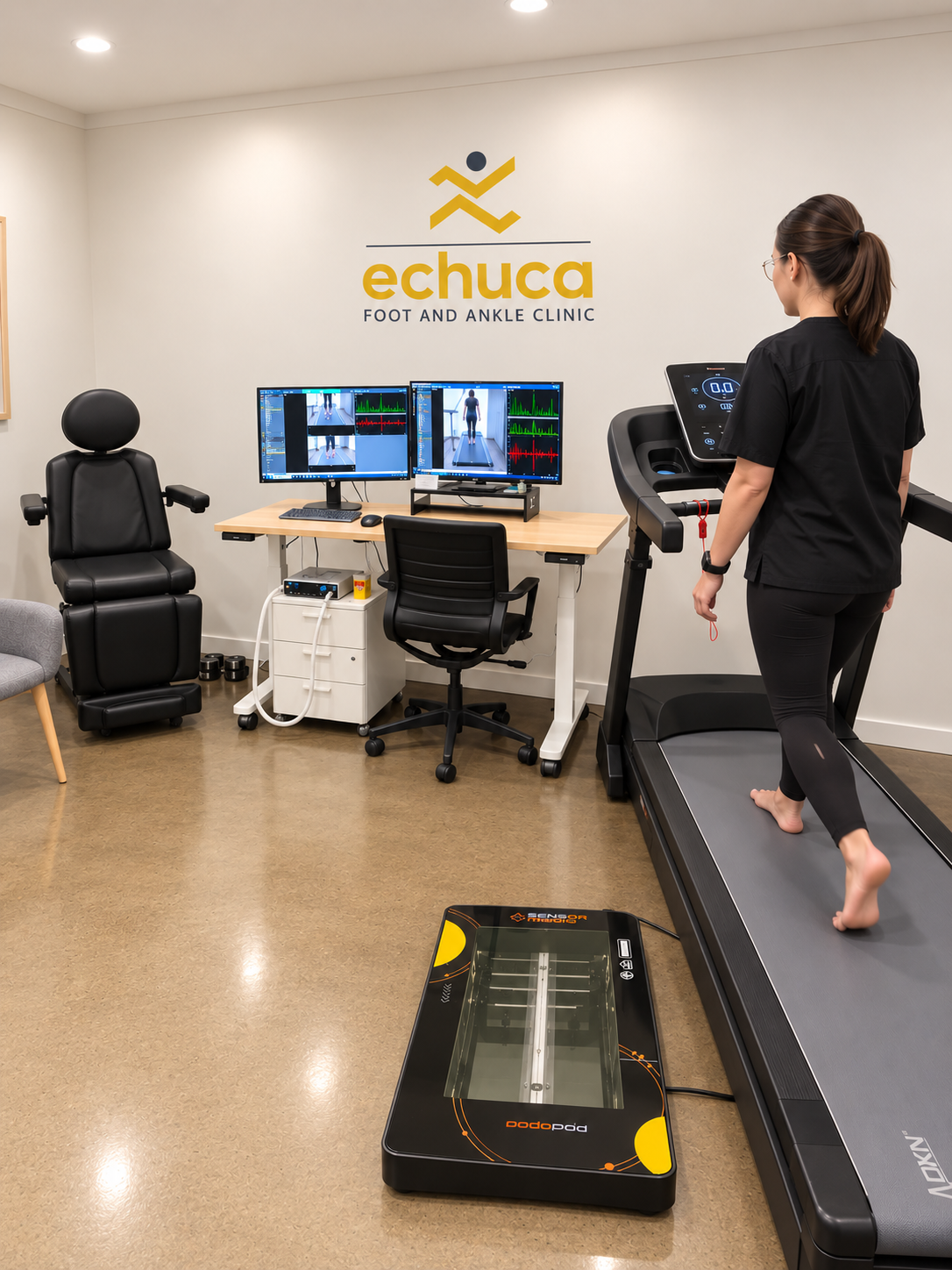
At Echuca Foot and Ankle Clinic, we utilise the most up to date Video Gait Analysis equipment when conducting a thorough biomechanical analysis. This allows us to understand the underlying cause of your condition and the potential forces being placed through your feet when you walk and run. A comprehensive assessment is crucial in order to identify any potential weakness and imbalances within key body structures. This measured by identifying the amount, timing and direction of certain forces being applied to your feet, knees and hips.
Myofascial Trigger Point therapy (Dry Needling)
Dry needling is typically used to improve and restore the function of altered or dysfunctional musculature for the management of a variety of conditions. Dry Needling treats specific trigger points that are identified beforehand within the muscle tissue and fascia completed within the biomechanical assessment performed by the practitioner. The goal is to release any present myofascial trigger points in the soft tissue and fascia to help restore optimum movement between bones thereby relieving symptoms of local and referred pain in ones body. This allows for improved muscle performance due to the elongation of associated muscles.
Personalised strength and conditioning and return to running plans
At Echuca Foot and Ankle Clinic, we assess your movement, identify the underlying cause of your injury, and address any functional limitations to develop a personalised management plan tailored to your goals and lifestyle. Our individualised strength and conditioning and return-to-running programs help you rebuild strength, improve performance, and safely return to the activities and sports you love.
Taping
Taping is commonly used as an adjunct or temporary technique. Athletes often make use of taping as a protective mechanism in the presence of an existing injury. Some of the goals with taping are to restrict the movement of injured joints, soft tissue compression to reduce swelling.
Footwear Assessment
A footwear assessment helps identify how your shoes influence foot function, movement, and overall lower limb mechanics. At Echuca Foot and Ankle Clinic, we assess your footwear to ensure the appropriate fit, support, and stability for your individual needs and activity levels, providing personalised shoe recommendations to trial to help manage pain, reduce injury risk, and improve performance.
General Podiatry Care
If you are experiencing ingrown toenails, corns, callous, Plantar warts or Athlete’s Foot (Tinea Pedis) - it is important to have these quickly assessed and appropriately treated in order to avoid potential or prolonged pain and discomfort.
In attempt to provide a timely response to managing sports injuries within the wider Echuca Moama community, please understand that at this moment we are unable to provide regular long term Podiatric nail care.
Diabetes Assessment
Diabetes can affect the nerves and circulation in your feet, sometimes without you noticing any obvious symptoms. Reduced sensation can make it harder to detect cuts, blisters or pressure areas, while reduced blood flow can slow healing and increase the risk of complications.
Regular podiatry assessments play an important role in identifying these risks early, helping prevent foot ulcers and supporting long-term foot health.
Ingrown Toenail Surgery
An ingrown toenail occurs when the edge or corner of the nail grows into the surrounding skin, causing pain, irritation and sometimes infection. It most commonly affects the big toe and can make everyday activities such as walking, exercising and wearing shoes uncomfortable.
Ingrown toenails can develop for several reasons, including cutting the nails too short, wearing tight footwear, naturally curved nails or trauma to the toe. For some people, the problem becomes recurrent despite careful nail care.
Frequently Asked Questions
-
We are currently at capacity for routine appointments. If you are experiencing foot or ankle pain, please contact us via email or ask your GP or allied health professional to provide a referral outlining your injury and symptoms. We will review your enquiry and advise on the next steps.
-
A referral is not essential to see a podiatrist; however, due to the high demand for podiatry services in Echuca, we are prioritising referrals to help ensure care is directed to those who need it most. This approach allows us to maximise our benefit to the community while maintaining a high standard of care and sustainable workloads for our practitioners. A referral from your GP or allied health professional outlining your injury and clinical concerns will greatly assist us in triaging your enquiry appropriately.
-
Foot orthotics can help manage knee and lower back pain by influencing foot mechanics and how forces are distributed through the lower limbs during walking, running, and other activities. When clinically indicated, orthotics may improve foot function and reduce excessive loading on certain structures. However, they are not suitable for everyone, so an individual assessment is important to determine whether orthotics are likely to benefit your specific condition.
-
Orthotics don't have to be hard or uncomfortable. At Echuca Foot and Ankle Clinic, we utilise modern orthotic manufacturing techniques, including 3D scanning and EVA-based materials, to provide a balance of support, durability, and comfort without relying solely on rigid plastics or carbon fibre. These materials also allow for easier micro-adjustments, helping us fine-tune your orthotics to improve comfort and suit your individual needs.
-
The best shoes for your feet depend on your foot mechanics, activity levels, and individual needs. We love all forms of footwear and believe it’s about choosing the right shoe for the right occasion. While we generally recommend supportive, well-fitting footwear for high-impact activities and prolonged walking, fashion-forward shoes can still have their place when chosen appropriately. For sport, walking, and everyday activities around the house, we’re big fans of Brooks running shoes for their comfort, support, and versatility. Ultimately, it’s about finding the right balance between foot health, comfort, and personal style.
-
We love using and recommending Restorate Cream in our clinic. Its high urea content helps soften dry, thickened skin and cracked heels, providing the benefits of a traditional heel balm without the heavy, greasy residue. Restorate Cream is available to purchase in the clinic, making it easy to keep your feet feeling soft, hydrated, and comfortable at home.