
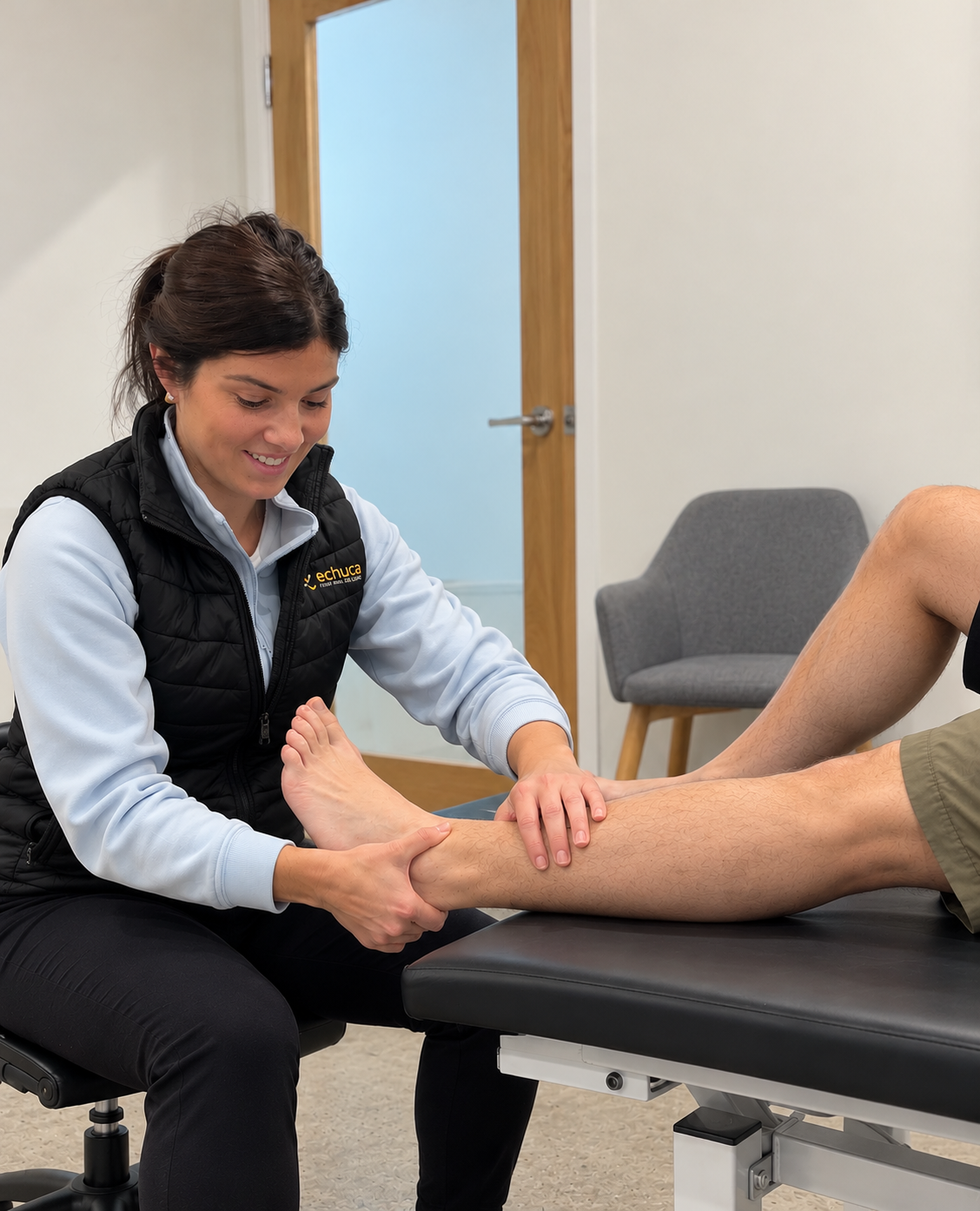
Plantar Fasciitis and Heel Pain
Heel pain that is particularly noticeable with your first steps in the morning or after sitting can be frustrating. Assessment looks at contributing factors such as foot mechanics, activity loads, calf flexibility and footwear, helping guide a management plan that suits your needs.
Our Process
Clinical assessment: Diagnosis is usually based on the patient's symptoms, tenderness at the heel, foot mechanics, calf flexibility and activity levels.
X-ray: Helps identify bony abnormalities, fractures or heel spurs. A heel spur alone does not confirm plantar fasciitis.
Ultrasound: Assesses the plantar fascia for thickening, tissue changes or tears, helping support the diagnosis and exclude other causes of heel pain.
Imaging is not always necessary, as most cases can be diagnosed clinically. Further investigation may be recommended if symptoms are persistent, atypical or suggest another condition.
Treatment for plantar fasciitis focuses on reducing strain on the plantar fascia and promoting recovery. Management may include targeted stretching, strengthening exercises, footwear advice, load management and taping. Shockwave therapy is a valuable addition to our plantar fasciitis treatment approach, helping us offer a more comprehensive option for patients experiencing persistent heel pain. By delivering acoustic waves to the affected tissue, shockwave therapy can help modulate pain, stimulate biological responses associated with tissue repair, and encourage the body's natural healing cascade. Combined with targeted rehabilitation, load management and strengthening, it can support recovery and improved function.
Bringing this technology back to Echuca was an important part of my vision after working in Melbourne. I wanted to introduce evidence-informed treatment options that patients might otherwise need to travel further afield to access. Shockwave therapy is a key point of difference for our clinic, allowing us to offer an additional treatment option that may not be readily available at other local clinics, particularly for people struggling with persistent plantar fasciitis. It reflects our commitment to bringing contemporary treatment approaches to the Echuca community and helping patients access quality care closer to home.